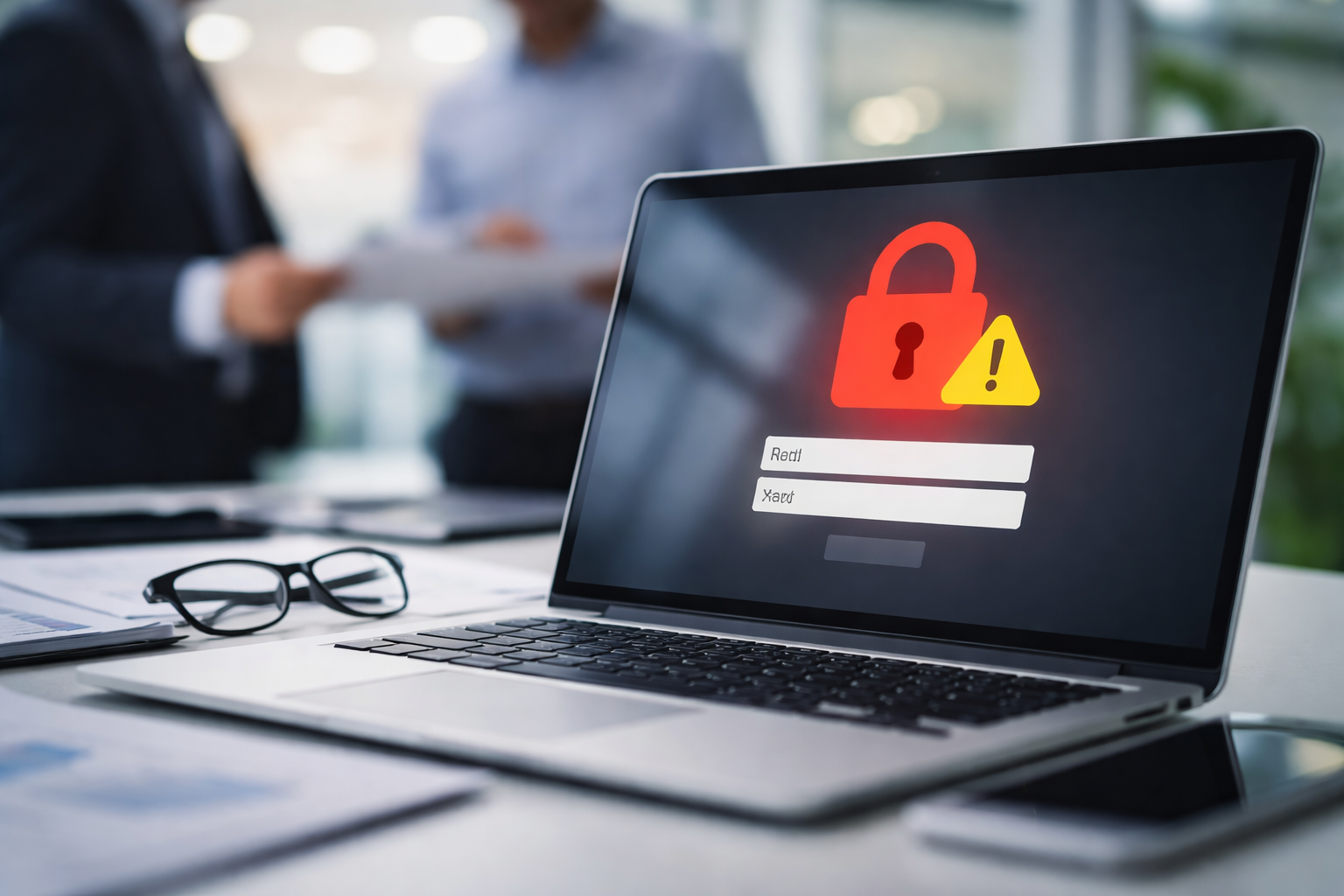
In busy companies, people look for shortcuts to get work done. The worst shortcut is logging into someone else’s account. It feels fast but it creates real security and compliance problems. This is especially dangerous for regulated industries in Canada.
Identity Access Control Is the Foundation of Trust
Every IT system assumes that actions link to a single user. When identities are shared or impersonated, audit logs become meaningless. This breaks identity access control and destroys trust in your systems.
Canadian laws like PIPEDA and provincial privacy laws require access to be tied to real people. Financial and health data rules demand the same. When you force multiple people through the same login, you lose:
- Accountability
- Reliable audit trails
- Legal defensibility
Without these, logs are noise not evidence.
Why Audit Trails Matter for Compliance
Audit logs answer critical questions:
- Who viewed sensitive data?
- Who changed financial records?
- What happened in a breach?
If people log in as other users, every answer is wrong. That means failed audits, regulator scrutiny, and high legal costs. Frameworks such as ISO 27001 and SOC 2 require accurate audit trails for compliance.
The Risk With High Privilege Accounts
Accounts with high access like CFOs or HR leads control payroll, strategy, and regulated information. If someone else uses those accounts, there is no clear accountability. Auditors and regulators do not accept guesswork.
For example, in a financial firm a controller logged in as the CFO to approve work. When tax issues surfaced, the audit trail blamed the CFO. Weeks of legal and regulator involvement later, the real cause was traced back to shared access.
Common Excuse Does Not Solve the Problem
People often say they had to use someone else’s login because the employee left suddenly. The need to access data is real. The method is wrong.
NEVER do this:
- Use former employee credentials
- Reset and reuse old accounts
- Share passwords internally
These practices violate Canadian privacy law and remove accountability.
How You Should Access Data
Modern systems give safe, auditable ways to access data without impersonation. Best practices include:
- Role based access control
- Just in time access privileges
- Admin access with logging
- Audit and eDiscovery tools
- Read only review access
These methods protect identities and support compliance with PIPEDA, ISO 27001 and SOC 2.
Shortcuts Become Liabilities
Logging in as someone else often involves:
- Turning off MFA
- Sharing passwords
- Storing credentials in documents
This increases the risk of misuse, credential theft, fraud, and regulatory findings. Canadian regulators treat ambiguous access as a failure to protect personal information. Short term convenience rarely survives inspection.
What Strong Access Control Looks Like
Effective access control means:
- No shared logins
- No password sharing
- Access only through approved methods
- Enforced multi factor authentication
- Time limited and role based privileges
- Documented exceptions
This is not bureaucracy. This is operational discipline for compliance and security.
CasCom’s View
Security is not about locking people out. It is about enabling safe, traceable access that stands up to audits and regulation.
If your organization still has:
- Shared credentials
- Impersonation for access
- Ad hoc access shortcuts
it is time to improve.
How CasCom Can Help
CasCom works with regulated and high stakes industries to design secure access systems that meet Canadian law and international standards. We help you:
- Map identity access dependencies
- Build role based and just in time access
- Align with PIPEDA, PHIPA, ISO 27001 and SOC 2
- Write policies that survive audit scrutiny
When accountability matters, identity matters. Contact CasCom to secure your access model and protect your organization.