This fall, researchers uncovered something that should make every government, resource, and environmental agency rethink what it means to be “secure.”
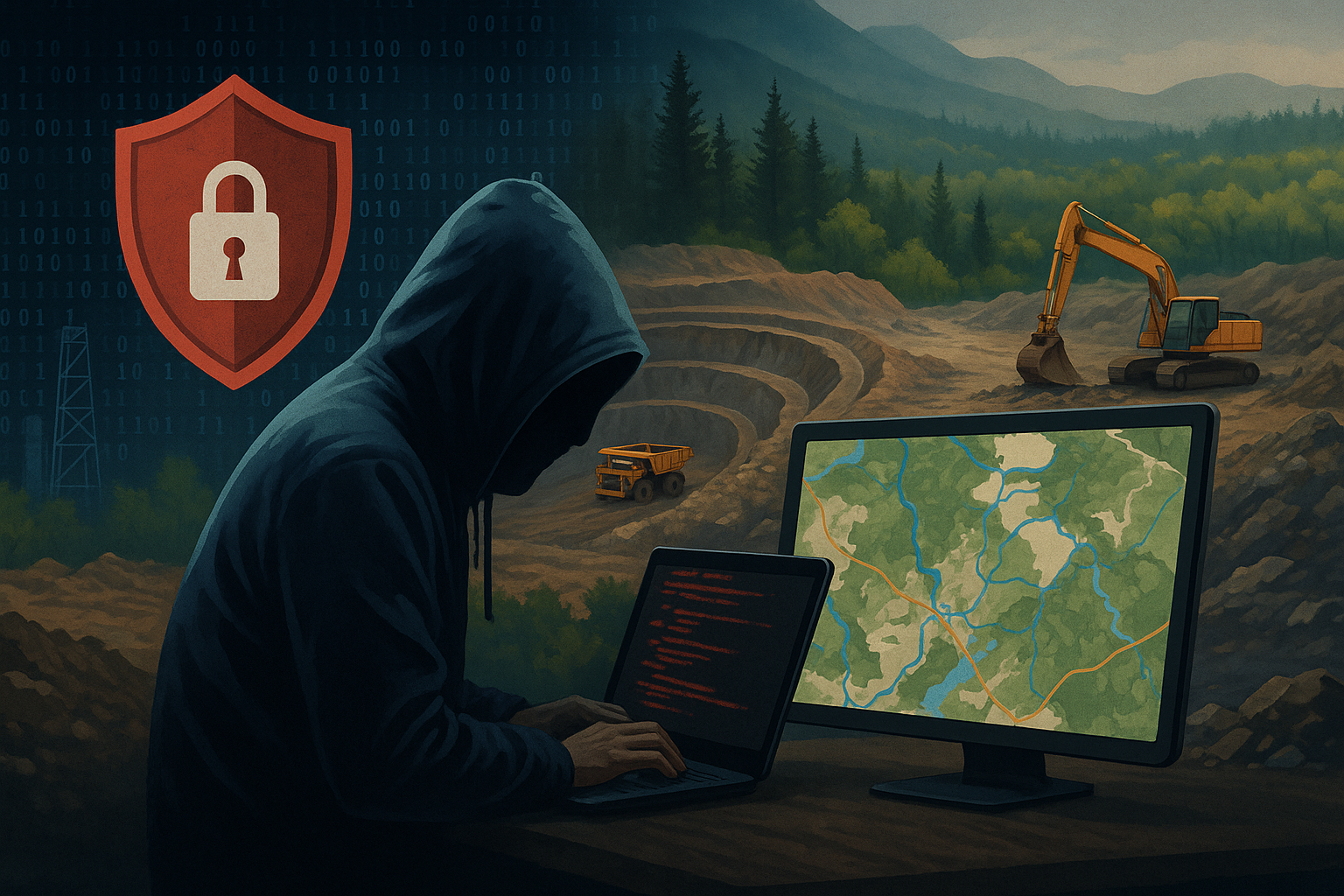
Chinese state-sponsored hackers remained inside a widely used ArcGIS mapping system for more than a year—without anyone noticing. ArcGIS, often used in land management, mining, and environmental work, became the entry point.
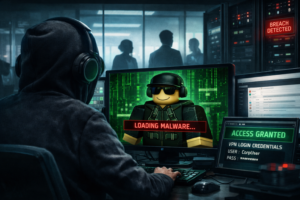
Here’s the part that matters: the attackers didn’t break in through a vulnerability. They logged in with valid credentials. Then they modified one of the platform’s own features to create a covert access point.
From there, they installed remote access tools and tunneled their way into the broader network—silently, persistently, and with access that outlasted even a full system restore. The backdoor had even made its way into the backups.
Why This Should Raise Alarms
If your organization relies on GIS for mapping, monitoring, environmental compliance, or land planning, this breach changes the rules:
- Trusted systems can become threats. The attack used the system exactly as it was designed—just for the wrong purpose.
- Backups can betray you. When compromised software is included in backups, a restore operation can reintroduce the threat.
- Normal traffic can hide malicious activity. The attackers used everyday internet channels to stay invisible.
This isn’t theoretical. ArcGIS is common across land use planning, mining operations, environmental agencies, and utility management. If you’re using it, or similar spatial systems, your risk profile just changed.
What CasCom Recommends
- Audit every system you assume is “safe” because it’s well-known or widely used
- Isolate GIS platforms from core systems where possible
- Harden remote access, even for internal users
- Review backup and restore practices to avoid reintroducing dormant threats
- Train leadership and teams to recognize that ‘normal software’ isn’t always safe
This wasn’t a noisy breach. It was quiet, patient, and strategic. Exactly the kind of approach that targets critical infrastructure, environmental systems, and resource operators.
We need to stop assuming that well-known software is safe by default. Because when your most trusted tools are turned against you, detection is hardest—and consequences are highest.
If you want to pressure-test your environment against this kind of silent compromise, let’s talk.